April 2026
Pupdate
It’s been mostly warm and dry, so plenty of opportunities for longer walks :)
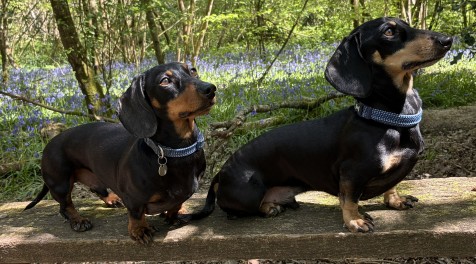
Milo is now on the final cycle of his 4th chemo protocol, and it’s proceeding OK.
Toronto
We started the month in Toronto, which was a really fun trip deserving it’s own post.

Eyes
My cataracts are gone, and I now have a pair of Johnson & Johnson TECHNIS PureSee(TM) extended depth of field (EDoF) intraocular lenses (IOL). The procedure to fit them was as straightforward as I was told it would be; though I was glad that Charles Stross went a little ahead of me and provided the tip to take any sedation on offer.
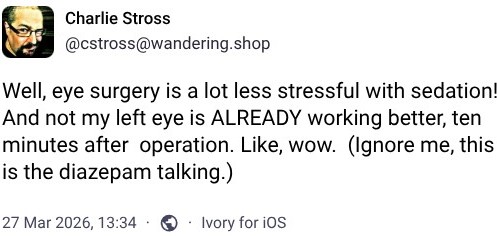
It takes a while for things to heal and settle down, but I’m already pretty happy with my distance vision. Computer work and reading is another matter, and I’m still figuring out which glasses I’ll need. EDOF lenses are supposed to work down to intermediate distance, but I fear my home office monitors are just a little too close. That’s maybe not so bad, as I quite like having blue filter lenses when doing computer work. I just need something better than the cheap readers I got for reading restaurant menus whilst wearing contact lenses for skiing.
I may also be in the market for some new sunglasses (maybe even some varifocals for reading books outside), as I seem to be much more sensitive to bright light than I have been for the last 20y or so[1].
Complications
Everything seemed to be going fine until my one week check, where they picked up high intraocular pressure (glaucoma). They wouldn’t let me go home until it was normalised, which meant taking some pills, and a new eye drop regime for the next few weeks.
OpenWrt
I missed the release of OpenWrt 2025.12 at the end of last month, and it’s already at a .2 patch.
Upgrading has become really easy with ‘Attended SysUpgrade’ (ASU). I was able to go from 23.05.x on my router and WiFi access points in a matter of minutes. All the config and packages carried over without a hitch :)
Even better, the manual install of NoPorts I had on my router got automatically replaced by the csshnpd and luci-app-csshnpd packages that are now in upstream :)
Gemini Pro
I mentioned last month that I’m using Gemini CLI a fair bit, which was a good reason to take up the offer of a free year of Gemini Pro for Google Developer Experts (GDEs). But… I first had to move my GDE account from Atsign’s Workspace to my personal gmail. I’d say the migration has been worth it, as I get much better access to premium models.
Solar Diary
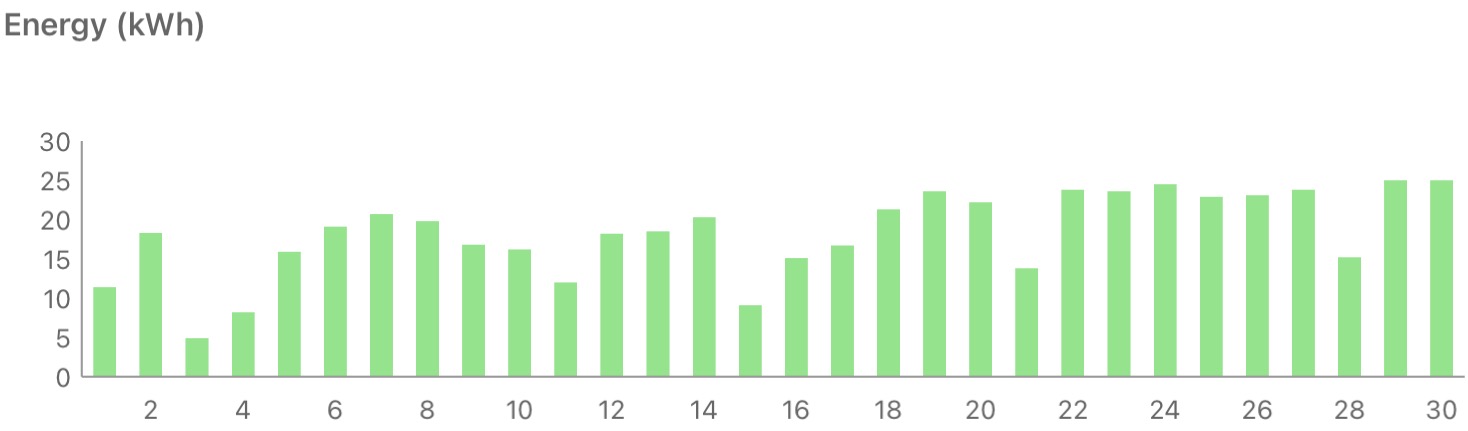
The sunniest April since the system was installed :)
Is iBoost worth it?
As part of the install I got an iBoost device, which diverts excess production into the hot water tank immersion heater (rather than it going for export). It’s quite a complex bit of kit, doing pulse width modulation (PWM) in order to work over a wide power range. I paid £428.57 for mine (though it seems the newer iBoost+ is available online for a little less).
I’ve been meaning to build a payback model, but instead I got Gemini to write me a Python script. The outcome isn’t great… the whole thing is predicated on expensive gas and miserly export tariffs. Running the numbers for the present gas price and my old ‘smart export guarantee’ (SEG) rate it takes about 70y for the iBoost to pay for itself. With the SEG rate I’m presently getting I’m better off exporting the electricity and using the money to buy gas for heating water :0 That’s not very eco, but that’s where we are in a topsy turvey UK energy market :/
Note
[1] Until my 30s I’d wear sunglasses pretty much all the time outside, but then I switched to baseball caps. Seems like I might now favour both.
Filed under: monthly_update | Leave a Comment
Tags: cataract, EDoF, eye, glasses, glaucoma, iBoost, IOL, Miniature Dachshund, NoPorts, OpenWRT, pupdate, solar, surgery, Toronto
Toronto
TL;DR
Toronto is a fantastic city, with plenty to keep us entertained over our 6 night stay.
Why Toronto?
We’d originally talked about returning to Halifax Nova Scotia, which we last visited in 2000; and then $wife announced that she’d like to go somewhere new.
Getting there
We picked flights with Air Canada on their A330, choosing the extra legroom seats in 34 H&K, which is a nice setup for couples travelling together. The flight was entirely unremarkable other than having a decent IPA on offer in the shape of Hop Valley Bubble Stash.
Hotel
We picked the Riu Plaza Toronto because it seemed to be the only hotel offering inclusive breakfast (and also well reviewed). It was a fantastic base for the trip with a spacious and comfy room. The reception area was lively, but not too busy, and we always got a friendly welcome on our way through to the lifts.
Breakfast was busy each day, but we only had to wait in line for a table for more than a moment once. The buffet selection offered plenty of variety, and got our days off to a good start.
Despite taking my gym clothes I didn’t use the gym apart from as a source of water for my hydroflask.
I’d definitely choose the hotel again, and for a brand I’d not seen before Riu is on my radar as an operator that’s getting things right.
Activities
Walking around
Our first day started with a huge trek around the city, taking in many of the spots that had been recommended to us by friends who’d visited ahead of us, and local colleagues. Our route took in the lakeside, St. Lawrence Market, The Distillery, and The Well.
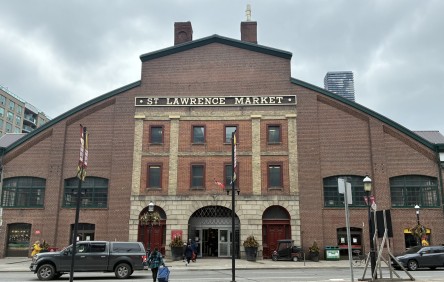
Other days included Graffiti Alley, exploring Chinatown and the shoreline parks to the East of the Entertainment District.

Meeting the team
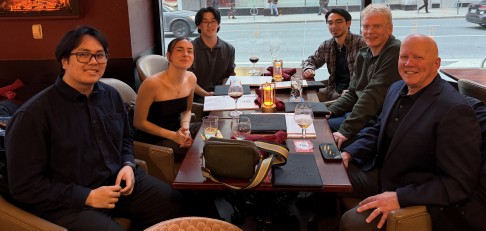
A bunch of Atsign folk are based in Toronto, and our head of sales was in town for some meetings; which provided the perfect excuse for a get together. It was wonderful to meet folk in person who are normally talking heads on a Zoom (and apparently I’m taller in real life!).
Art Gallery of Ontario
One of the local tips was to visit, the Art Gallery of Ontario (AGO) on ‘First Wednesday Night Free‘, which was perfect timing as it coincided with our first full evening in town. I’d booked tickets earlier in the week, which might have been a good thing, as it seemed popular.
Niagra Falls
Niagra Falls should be a 2h20 train ride from Toronto Union station, but it turned out that the lines were blocked due to a derailment, meaning we had to switch to a bus at Burlington, which is around half way there. The journey was thus less comfortable than it might have been, but we still got there in good time.
The walk from the railway/bus station is very straightforward, as it follows the path of a disused railway line.

After wandering along the promenade by the falls we had lunch in the Skylon Tower, which provided a fantastic view.
Islands
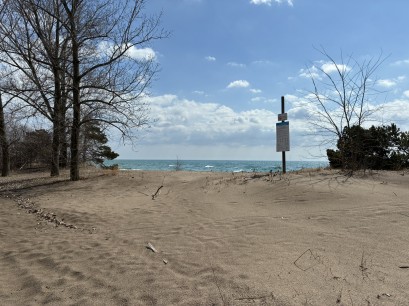
We had a lucky break with the weather for our day visiting the Toronto Islands, as it was sunny and warm(er) (after being near freezing on the days before and after). The ferry took us to Ward’s Island, and we walked to Gibraltar Point Lighthouse before turning back.
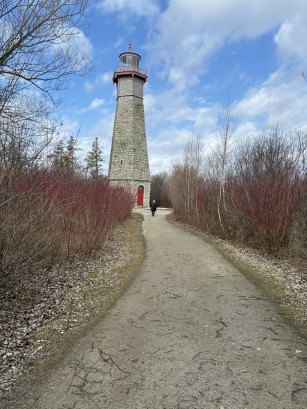
It’s easy to see why it’s a popular spot in the summer.
Comedy
‘Consumption-friendly’ was a new euphemism for me, but we didn’t pick the club describing itself that way. Instead we headed to the Backroom Comedy Club for a set featuring Tyler Horvath. It was a fun, intimate venue; and Tyler was great, along with the line up of local acts who warmed up for him.
Monet Expo
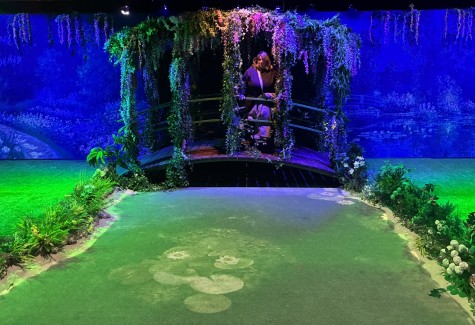
Claude Monet: The Immersive Experience is a similar setup to the Van Gough Immersive Experience we went to in Singapore a few years ago; though it was a lot less busy, and a bit more of a schlep to get there. Being less busy meant it felt much less pressured in terms of moving along to make space for the next wave of people, which made for a relaxing trip :)
Food and drink
I’d got a bunch of craft ale recommendations from a friend visiting Toronto a few weeks previously, some of which I followed up, some we didn’t find time for. It felt like everywhere had good beer and good food. Bar Hop got our poutine fix sorted on our arrival evening. After meeting the team at Blessing in Disguise we returned for some excellent charcuterie, and more great service from Daryl. There was a bit of a line to get into Amsterdam Brewhouse after our islands trip, but it was worth the wait for the brisket (and beer). I think they were caught out a little by the nice weather, as the line was even longer as we left.
Maybe the best meal of the week was at Koh Lipe, which had been recommended by a colleague. But we also both really enjoyed Byblos.
There were of course donuts from Tim Hortons, including some of their Easter specials; though the really special ones were the maple butter…
One thing I wasn’t expecting was so much (good) local wine, and if we’d had more time a winery tour might have been fun.
Getting around
Toronto has great public transport, with an integrated payments system called Presto that works across trains, subway, trams and buses. After being initially pointed at the Presto app, I figured out we could just use contactless (inc Apple Pay).
Maps bother
Unfortunately Google Maps, Citymapper etc. don’t seem very savvy about getting around using that integrated system. We had to figure out for ourselves that we could connect from subway to tram and save on the walking a little[1].
The maps apps were also terrible at dealing with closures and interruptions. There might even be a notification in the app, but the data hadn’t been factored into the picture being presented. It’s a good job we left early for the comedy club, as it turned out the 1 subway was suspended on exactly the segment we needed for the start of the journey :(
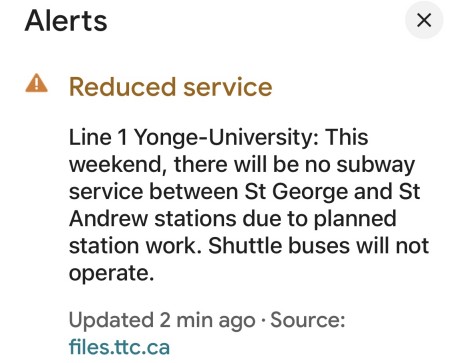
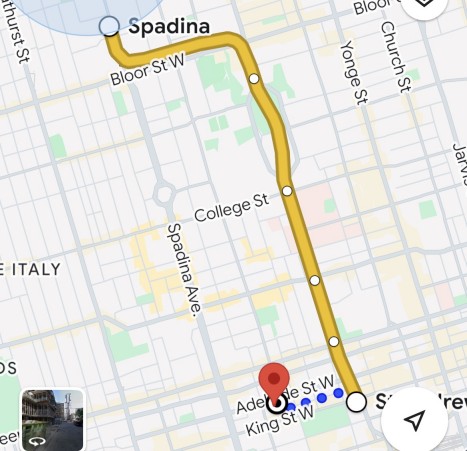
After spending time in cities where the apps correctly (re)route this was a bit jarring :/
Note
[1] This would have been handy to know on arrival, and saved us on getting a (ripoff?) taxi from Union Station to the hotel.
Filed under: travel | Leave a Comment
Tags: art, Atsign, beer, comedy, food, hotel, Islands, Monet, Niagra Falls, Riu Plaza, Toronto, travel
March 2026
Pupdate
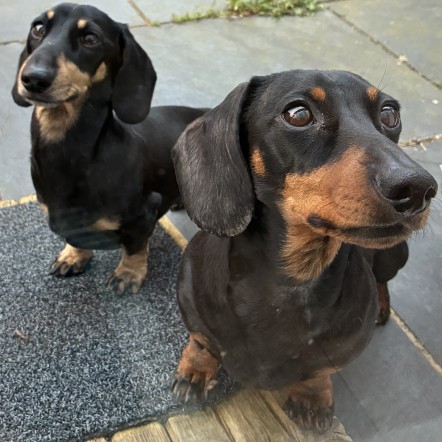
We’ve (finally) had some warm and sunny days, so the coats have mostly been off for walks :)
Bath Half
$daughter0 is in her final year of her degree at Bath, and after getting into running last year she decided to run the Bath Half with some friends. That provided a good excuse for a weekend in Bath to support her (and of course visit some of our favourite restaurants and bars) :)
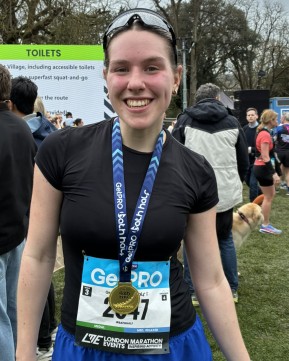
She completed the course in a (personal best) little under two hours.
AI training
Early in the month Google held an AI ‘train the trainers’ event at their London HQ. Attendees were a mixture of Google Developer Experts (GDEs), Google Developer Group (GDG) organisers and meetup organisers for various other Google platforms.
Whenever GDEs bump into each other for the first time it’s common for them to ask ‘what type are you?’ (meaning Android, Cloud, Dart/Flutter, Web or whatever), but at the community dinner somebody observed “we’ll all be AI by the end of the year”. That might not play out in practice, but I have a sense that it’s spot on in principle. Product specific knowledge isn’t the lever it used to be, versus being able to construct a good prompt.
The day itself gave me the chance to try out Gemini CLI and Antigravity. It was time well spent, as the following afternoon I got about a week’s worth of work done with Gemini CLI.
Conferences
The third week was very busy with two conferences back to back. It’s the first time I’ve ever spent a whole week in London, as the early starts and late finishes meant daily commuting wasn’t really practical.
Both QCon London 2026 then Monki Gras 2026 were (I think) the best yet :) More in the linked posts.
USB Shaver chargers
Whilst in Bath I went to use my shaver on the day of the race and nada… out of juice. Thankfully the front desk at the Doubletree was able to help me out with a shaving kit, but I was annoyed that I needed one.
The USB shaver charger I made a few years back is fine for longer trips (when I know I’ll need a recharge), but a little bulky to always have with me.

So… I went looking on Amazon and AliExpress, and found that other options are now available. I ordered a couple of these from AliExpress, though it seems similar ones are also available on Amazon (affiliate link) for a few pennies more, but faster shipping. They’re small enough that I can have one in each of my travel packs (UK/EU and US), and I already have the USB C adaptors there. On reflection I may only need one, which can live in the shaver case.
Cataracts
I’ve been back for more measurements and consultation, and my operation is booked in for next month.
Solar Diary
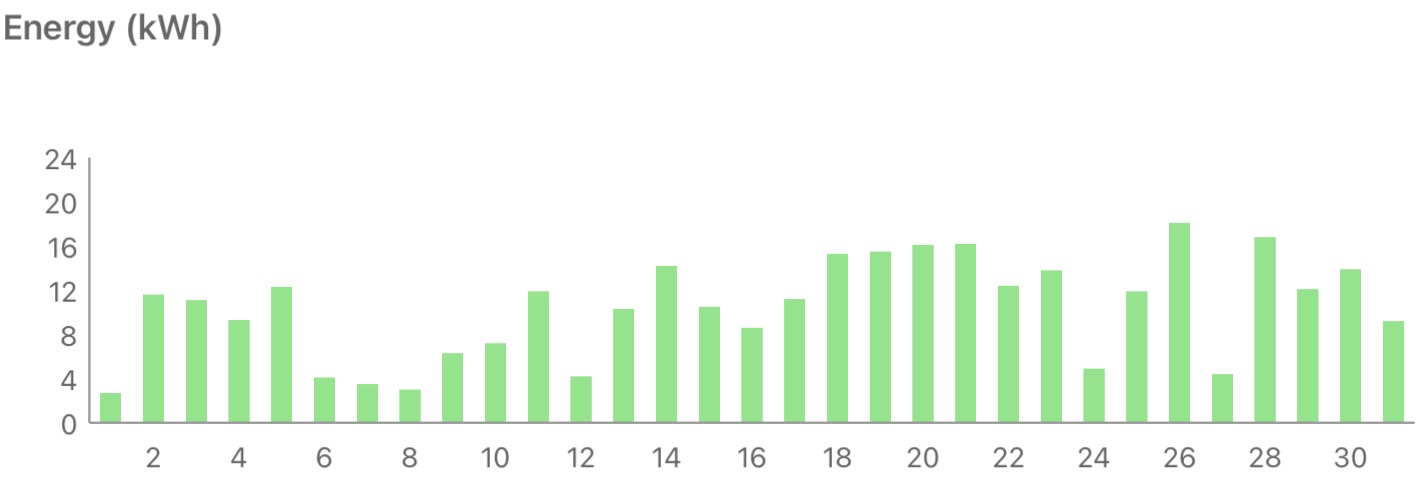
Not the best March so far, but one of the better ones.
Filed under: monthly_update | Leave a Comment
Tags: AI, Bath, cataract, conference, conferences, dachshund, GDE, half marathon, Miniature Dachshund, Monki Gras, pupdate, QCon, solar, USB-C
QCon London 2026
TL;DR
QCon is one of my favourite events, and I’ve been to a lot of them over the years. 2026 was the best yet, so kudos to the programme committee and C4media organisers. The most fun bit was hosting the security track, where I got to run a mini security conference within the conference, with my dream line up of speakers. I loved it, and I hope everybody else who joined us across the day also enjoyed it.
20 Years of QCon

This year’s T-shirt proclaimed ’20th anniversary’, and ‘Est. 2006’, but that’s stretching things a little. Planning might have started in 2006 (and the announcement is still live on InfoQ, along with the PDF brochure), but the first QCon was in 2007. I should know, I was there as a speaker, co-presenting with Craig Heimark. It’s amazing to look back to that first instance and the line up of industry legends like Cameron Purdy, Martin Fowler, Rod Johnson and Werner Vogels.
There’s also not been 20 instances, as (like so many other in person events) things ground to a halt in 2021 due to COVID.
I’ve personally been at (or involved in[1]) 15 or the 19 instances.
Keynotes
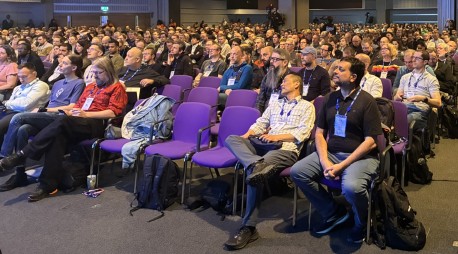
All four keynotes this year hit the mark, and Laura Savino’s ‘Learning Out Loud’ absolutely smashed it – maybe the best keynote I’ve seen. Witty, engaging, thought provoking, relatable and something that spurs you to take action – everything that a keynote should be.
Track talks
I pretty much filled my schedule with talks on Monday and Wednesday (when I wasn’t hosting the security track). With only one exception the talks were good. I particularly enjoyed Hannah Foxwell (who’s always great) ‘The Reinvention of the Dev Team‘ (InfoQ: AI Agents Write Your Code. What’s Left For Humans?) and Christine Lemmer-Webber with David Thompson ‘Spritely: Infrastructure for the Future of the Internet‘[2].
Security track
Software Security & Risk Management if I must give the track its full title. I was delighted when Werner Schuster reached out to ask me to host the track, and almost immediately I pulled together a dream list of speakers. The programme committee gave me the green light, and everybody said yes :) [3] So this was very much the security track that I wanted to attend.
The topic and speakers were obviously popular, as we were in the ‘Mountbatten’ room on the 6th floor of the QEII conference centre for most of the day, which is a BIG room.
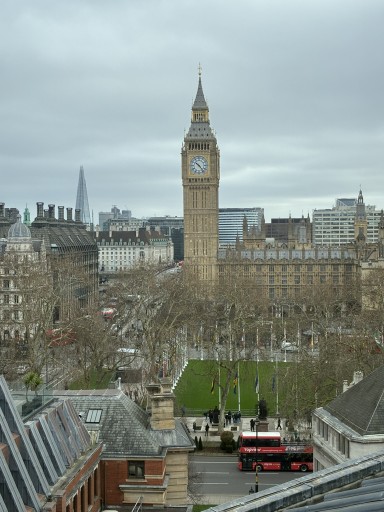
Sarah Wells got us of to a great start with ‘Why Governance Matters: The Key to Reducing Risk Without Slowing Down‘, and it was pleasing to see it listed as one of the top rated Tuesday talks during the Wednesday intros.
Alex Zenla followed with a Minecraft based explanation of ‘Building on Bedrock: A Security Philosophy from Bootloader to Runtime‘.
Viktor Petersson (I think) pulled in the largest audience for ‘From Chaos to Clarity: Modern SBOM Practices That Actually Work‘ (InfoQ writeup). I guess my scary point about EU Cyber Resilience Act (CRA) requirements might have caught some attention.
We then had an unconference session, which broke into two groups talking over a variety of issues that had been chosen and voted on by attendees.
Wrapping things up in the slightly smaller Windsor room on the 5th floor we had Andrew Martin talking about ‘Exploding GPUs‘ then David Chisnall on ‘Adopting Memory-Safety and Fine-Grained Compartmentalisation With CHERI‘.
You might notice that there’s no ‘AI’ in any of those titles. That didn’t mean that we weren’t talking about the industry’s hottest topic, just that it didn’t need to be centre stage.
As I was leaving the venue somebody looked at my badge and commented ‘you must be tired’, but in fact that wasn’t true at all. It had been a really energising day, and I was looking forward to more at the speaker’s dinner.
Networking
One of the first people I saw at the venue was Alex Zenla, and it was great to hang out with her for the many sessions we’d chosen in common. It was also good to spend time with Viktor, and there was more to come at Monkigras. But there was plenty of ‘hallway track’ providing opportunities to catch up with friends and meet new folk. The venue for the speaker’s dinner seemed to work well this year – definitely less wobbly than the previous one[4]. Finally it was wonderful to join the crew and InfoQ Editors at Flight Club for the wrap up event. I’ve not been to a dedicated darts venue before, and it was a lot of fun.
Conclusion
I know from past events that QCon has a culture of continuous improvement, and that really showed this time, as I’m pretty sure 2026 was the best yet. Hopefully I get to be involved in 2027, and it’s even better…
Notes
[1] QCon 2025 collided with the Easter holidays, so I missed attending in person even though I’d been on the programme committee.
[2] I’m linking to the InfoQ write ups of the talks, as it will be some months before the videos and transcripts are released.
[3] Sadly Liz Rice had to drop out shortly before the event, but it was great that Andrew Martin could step in.
[4] Recent past speaker’s dinners have been at the Tattershall Castle (aka ‘The General Belgrano’ to my Navy pals working in MoD Main Building), a ‘pub’ on a boat moored on the Thames near Whitehall. As it’s afloat it can bob around a bit as other traffic passes by on the river.
Filed under: security, technology | Leave a Comment
Tags: conference, InfoQ, QCon, security
Monki Gras 2026
TL;DR
2026 was the best Monki Gras so far with a theme of ‘prepping craft’. A room full of techies, and a great gathering of friends, but not really a tech conference. It’s transcended tech, and become the place where the talks are about more important stuff.
Monki What?
Monki Gras is a London based tech conference organised by RedMonk founder James Governor. It’s essentially the UK version of Monktoberfest, which is also an event about the craft of software and the craft of beer.
Monki Gras has been going since 2012, took a break from 2020-2023, and has been back since 2024. It used to be at the end of the week before FOSDEM (to catch international travellers on their way through London), and more recently has been aligned to Kubecon Europe. I’m among a handful of people who’ve been to them all.
Resilience
Given the line up of speakers one might expect talks about fault tolerant architectures, and observability, and chaos engineering. If you want those talks then catch the same speakers anywhere else that they ply their trade.
What we got instead were stories of personal resilience, building a resilient career, and how to survive in the hostile political and economic climate we find ourselves in.
The most impactful talks were on the topic of trans rights, or rather how to survive when those rights are under constant attack by bigots waging their ‘culture wars’. Trans rights are human rights, and we must all stand firm against their erosion.
Hazel Weakly’s talk hit especially hard. At the end I turned to Paul sat beside me and commented, “and that’s why I don’t speak at Monki Gras, because who wants to follow that!”[1,2].
Gathering of the clan
Every break was a chance to chat with friends (and meet new folk), and Monki Gras has become ‘the room where things happen’, or at least the room where things get started. Some of the most impactful things I’ve been involved in started as Monki Gras conversations (e.g. DXC Online DevOps Dojo). So I have high hopes for where some of this year’s chats will lead…
Code Your Future
I’d barely set foot into the venue when James introduced me to Elena Barker from Code Your Future to enlist me as a mentor for the folk coming along under the auspices of the diversity & inclusion programme. It was a real pleasure to meet some of the participants and talk about how we’re all on a learning journey. Working with early career folk has been one of the highlights of Atsign over the past five years, so this was a chance to chat with some similarly talented and enthusiastic people. Elena has a post on LinkedIn about it.
Beer
Rob surpassed himself with this year’s selection serving up a couple of DIPAs that I gave 5* and 4.75* on Untappd[3].
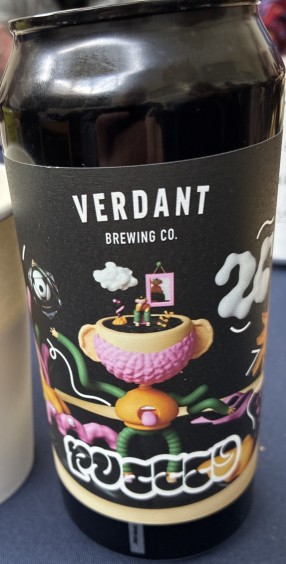
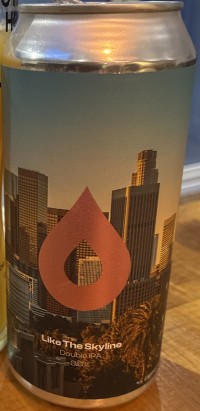
It was also good to see some low/no alcohol choices, with ‘small’ beer on offer along with (one of my faves) Bristol Beer Factory “Clear Head”.
Wine
Wine featured much more prominently than previous years, with a wide selection of boxed wines from Bobo. I like the concept, but I didn’t spend any of my units on trying any. Maybe I should have tried some sips.
Food
Monki Gras has always had great food, and this year was no exception. What did seem to be different was less queuing. The street food vendors were well prepped, and able to deal with the onslaughts.
There was the now obligatory ‘cheese mountain’ :)
Hotel
There isn’t an official conference hotel, and the places listed on the website are all a bit spendy. When I looked this year, the Hub by Premier Inn Shoreditch popped up. A 10m walk from the venue, and pennies over £60 for the night – I had no hesitation booking.
As things worked out I ended up staying there last month with my wife, so I already knew it would be good this time around. The smaller ‘pod’ style room was plenty for my short stay, and I really appreciated the speed and simplicity of the automated check-in process.
I’ve skipped over a LOT
I didn’t take photos (of anything except beer for Untappd), I didn’t take detailed notes. Others did.
#monkigras on Bluesky seemed to be where the live action took place.
And there have been some blog posts, from Dave Letorey and Alex Chan.
Notes
[1] Almost every conference I go to is as a speaker, exhibitor, organiser or whatever. Very rarely just a regular attendee. I decided some time ago that I would not speak at Monki Gras, as I don’t want to ‘sing for my supper’, I’d rather just enjoy the event (even if I have to buy a ticket from my own pocket and take time off work).
[2] James did an excellent job of providing padding between Hazel’s talk and Daniel’s that followed.
[3] Untappd featured in the very first Monki Gras, and I signed up straight away, but it was a (now regrettable) few years before I became a regular user in order to track what I like.
[4] I’m sure when Rob showed me his list this was down as PuTTY, like the terminal emulator, though the can clearly has another T.
Filed under: beer, culture, did_do_better, politics | 1 Comment
Tags: beer, food, Monki Gras, Monkigras, resilience, wine
February 2026
Pupdate
It’s been a pretty dank February, so the coats have mostly stayed on for walks. But the boys have been enjoying their usual doggy mischief.
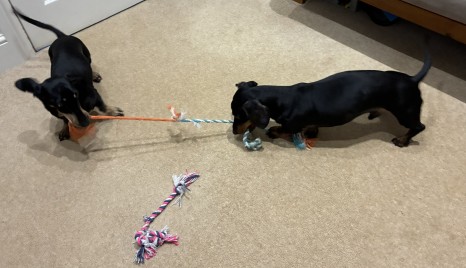
Milo is now half way through his 4th chemo protocol, and the second half has previous been easier as the pace slows down to vet visits every two weeks.
Cataracts
On the second day in Les Arcs I noticed that my vision wasn’t right, initially thinking I’d not put my right contact lens in correctly (the only time I wear lenses these days is for skiing).
After some fussing with lenses and staring at the hotel sign opposite my room I figured out that I could (sort of) fix things up with a stronger lens (an old prescription left lens), but there was definitely something wrong, and I booked the first appointment I could get for an eye test on my return.
Before I even got in front of an eye chart, the machines confirmed something was wrong. My right eye correction had jumped from -1.50 to -4.75 :0 It didn’t take long for the optician to see what was wrong, a cataract; and she referred me for specialist treatment. In many ways this was a comforting diagnosis, as of all the things that could be wrong it’s something that’s relatively straightforward to fix.
Three weeks later and I was at the optometrist for pre-op tests on the NHS path; but I’m now waiting for a private consultation at the end of next month, as I’d like a new lens that corrects my distance vision and astigmatism. After wearing glasses and contact lenses since I was 10 I might be free of them.
Meanwhile I’m wearing a contact lens and my varifocals.
Shingrix Pt.2
When I got my first Shingrix vaccine back in December the pharmacist warned me that it would kick my butt, and she was right. This time around I was told things would be easier, but they weren’t. If anything the aches etc. were even worse. Hopefully it’s all worth it to reduce my risk of dementia.
Protest
I’ve been going along pretty regularly to monthly meetings of my local Humanists group. A busy meeting might be a dozen people, so I wasn’t at all expecting what happened at our meeting on ‘Asylum and immigration: a compassionate, informed humanist approach‘.
Perhaps having our local MP Alison Bennett as a speaker should have tipped me off; but I was unaware of the building drama until some dinner guests the night before said “see you in the morning, we’ll be there at the counter protest”. I guess that’s what keeping off a diet of toxic social media does for you :)
I wish I’d taken a photo when I got there, but it was bucketing with rain, and I just wanted to get inside. There was a thin rabble of ‘stop the boats‘ protesters chanting their slogans on the outside of a police line with around 15 officers. Inside the line was the much larger counter protest group, including my friends. Beyond that the venue was pretty much at capacity, with hundreds of folk who’d come along. The speakers were all excellent, and it was good to meet some new folk as I spoke to those sat nearby.
It will be interesting to see if our ranks swell at the next meeting on the much less controversial topic of ‘Exploring our Humanist heritage’.
British Museum
I’ve been to the Natural History Museum and Science Museum more times than I can remember (starting back at my first trip to London when I was 7), but I’ve never been to the British Museum. We decided to do something about that during $wife’s half term break, which provided a good excuse for a day up in ‘Town’.
“Why do we have to be there at 2pm?”… ‘that’s when I booked the tickets for’. “I thought it was free?”… ‘it is, but you can reserve an arrival time (and they strongly encourage a ‘donation’).’ I was glad we had booked a spot, the line of people who’d just shown up without doing that was enormous, and not moving very fast. We went to the tent as directed, did our audience participation security theatre, and got inside in a matter of minutes.
I wish I could say it was great to see the Rosetta Stone, but the crowds made it impossible to see the business side of it. The crowds were less of an issue for the Elgin Marbles, as there’s just so much more of them. Though far too many came with signs to the effect of ‘missing head is in Athens’. Perhaps more impressive were some of the Assyrian exhibits; but I think we both came away feeling that none of that stuff belongs in London, and we should give it all back.
As we explored the further reaches it became less busy, but also more mundane. Things like those we’ve seen in many other museums in many different places. I was glad to have checked it off the list, but I don’t think I’ll be hurrying back.
Solar diary
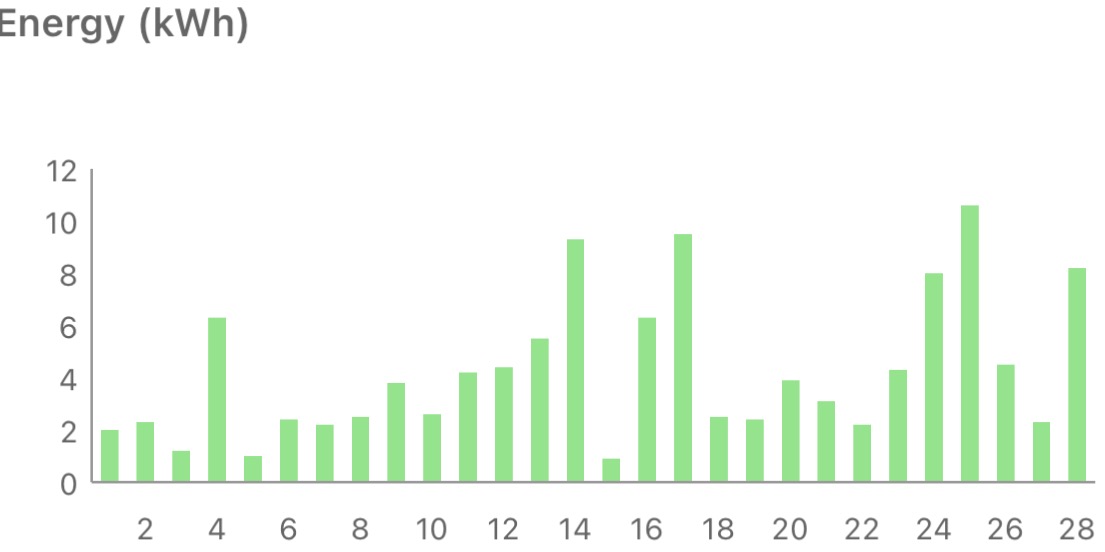
A dank month for dog walks also meant a dark month for solar production – the worst February yet :(
Clay Hunt VR
In previous posts I’ve been dubious about whether practice in Clay Hunt VR carries over to an improvement in real world clays shooting. Now I’m more persuaded, having put in some of the best rounds of my life (despite the cataract). I’m finding that I have better focus on the target, and more instinctive aim.
After the Shingrix vaccination I woke one morning to a very painful right arm (possibly ‘frozen shoulder‘ though also maybe just lying awkwardly). This made shouldering the VR gun an exercise that I didn’t want to repeat. Fine for a quick round of skeet, but too tiring for anything else. So I did a game of ‘Duck Hunt’ purely shooting from the hip. As the saying goes… “Not great, not terrible”. I could probably do better with more practice, but thankfully the arm was back to normal after a couple of days :) The point however is that with unlimited free ammo you can practice stuff that would be reckless in real life.
Filed under: monthly_update | Leave a Comment
Tags: British Museum, cataract, clays, dachshund, humanist, Miniature Dachshund, Shingrix, shooting, solar, vaccine, vr
TL;DR
GitHub Pages is a practical way to host a low volume repo for apt and yum/dnf. The relevant metadata can be generated using GitHub Actions, and the process can be triggered by a release from the source repo.
Background
In my last post I wrote about creating .deb and .rpm packages (for our Dart binaries), but most people would rather not install those things manually with low level tools. They’d prefer to use their package manager, and then it can take care of subsequent updates.
Those package managers rely on metadata that’s added around the packages themselves. So that needs to be generated.
More fundamentally this stuff needs to be hosted somewhere. It’s ‘just’ a website, but websites need servers, and those servers need connectivity. GitHub Pages provides a free way to do the hosting, so long as you’re comfortable with its limits – no more than 1GB of files and 100GB of bandwidth/month.
Creating metadata
Once there’s a new release in place I need to download the .deb and .rpm packages and create the metadata for their respective repos.
The download piece is common across both types, using the gh command line tool to fetch files from the latest release.
Apt
My update-repo workflow for apt then uses the apt-ftparchive tool to generate metadata and gpg to provide signatures.
Rpm
Yum/dnf repos are ostensibly simpler, but that doesn’t show very much in the different update-repo workflow[1]. The main difference is that it uses createrepo_c for metadata.
Triggering the rebuilds
Our normal process for a NoPorts release is to first do a pre-release, which creates all the binaries and packages. Once we’re happy with that the release can be promoted to ‘latest’ and at this point we want to trigger updates to the apt and rpm repos.
That’s taken care of by an update-packages workflow that listens for the release being promoted, then fires off a bunch of repository_dispatch messages that start the update-repo workflows.
Brewey bonus
We also rebuild our homebrew-tap at the same time. Homebrew is much easier to deal with from a hosting perspective as it doesn’t involve slinging around huge packages full of binaries. It’s a very GitHub friendly approach that puts metadata in place pointing to the archives from the GitHub release – so no worries about storage or bandwidth limits.
Busting past the limits
A typical .deb/.rpm for NoPorts is around 50MB, and we support 4 architectures, making each release around 200MB. So we can fit around 5 releases in place before we need a housekeeping job to start clearing out old versions. Not great, not terrible.
That also means that we get around 2000 downloads per month before a repo hits its bandwidth limit. I’d consider that a quality problem (more people using NoPorts). But it’s good to have a plan…
Package URL
The GitHub pages sites are configured to use apt.noports.com and rpm.noports.com using a custom CNAME. So if we need to move hosting elsewhere we can just point the DNS to the new server/service.
Cheap hosting
Free is everybody’s favourite price, which is why I like GitHub Pages (for this and many other things). But I also appreciate that free gets exploited and abused, which is why GitHub have to have limits.
For a previous project that involved lots of people downloading large binaries I used cheap Virtual Private Servers (VPS) of the kind that show up on LowEndBox. It’s possible to get servers with more space than we’ll ever use, and TB of monthly bandwidth, for a few $/m. But… VPS providers can be flaky, and there’s an admin overhead in running those servers.
My likely upgrade route today would be AWS CloudFront. Corey Quinn recently posted The Complete Guide to CloudFront’s Flat-Rate Pricing, and $15/m for 50TB of data transfer is a bargain; and that’s about 1M package downloads.
Conclusion
It’s pretty straightforward to automate package metadata using GitHub Actions around the various package management tools, and GitHub Pages provides free and easy hosting for a low volume site.
Pages won’t be enough for higher volume, but at least the investment in generating metadata etc. isn’t wasted, as that can be carried over to a hosting environment that offers more storage and bandwidth.
Note
[1] After taking an afternoon to put together the apt automation the rpm derivative took a few minutes, and worked first time :)
Filed under: howto, software | Leave a Comment
Tags: APT, aws, bandwidth, brew, CloudFront, deb, dnf, GitHub Actions, GitHub Pages, homebrew, hosting, rpm, VPS, yum
TL;DR
nFPM makes it very easy to put your binaries into a Debian .deb or RedHat Package Manager .rpm file.
Background
We’ve been using full stack Dart and Flutter at Atsign since the dawn of the company in 2019, so when NoPorts came along we released the binaries in tarballs (or zip files) from GitHub releases.
But… there are lots of good reasons for better integration with standard package managers like apt and yum/dnf, not least of which is that their update mechanics ease compliance with the forthcoming EU Cyber Resilience Act (CRA).
Packaging as .deb or .rpm is the first step along the road, and Gemini helpfully pointed me towards nFPM.
Config
nFPM is configured by a YAML file, and comes with a fairly bare bones example. I found it helpful to look at more complete working examples for existing projects like Kong, and Gemini was helpful in pointing them out.
My final nfpm.yaml isn’t especially complex, but it is long(ish) as we ship a lot of binaries.
Cross compiling
We ship binaries for all of the platforms and architectures supported by Dart. Most of these can be built natively using various flavours of GitHub Actions runners, but not linux/arm7 or linux/riscv64. So those builds were done inside of Docker containers.
But… Dart can now do cross compilation, so it’s much easier (and quicker) to produce the binaries that way :)
Linting
The nFPM ‘Tips and Hints‘ says: “It is recommended to run lintian against your deb packages to see if there are any problems.”, and for me that flagged up a bunch of stuff that needed tweaking.
Man pages
One of the issues was that we didn’t have any man pages for the binaries. Fortunately they can be created (on the fly so they don’t get out of date) using help2man, which takes the output of –help and turns it into a man page.
This did however create some ‘fun’ for the cross compiled binaries, as help2man then needs to run them on a foreign architecture. Fortunately QEMU can take care of that (along with some LD_LIBRARY flags so that the right dynamically linked system libraries are picked up).
GoReleaser
nFPM is a sub project of GoReleaser, which as its name suggests is a tool originally developed to help the release process for stuff written in Go (aka Golang).
GoReleaser has subsequently expanded its language support to include Python, Rust, TypeScript, and Zig. Sadly there’s no support for Dart yet, though there is some discussion about it. One of the stumbling blocks was a lack of cross-compilation support, so that’s at least partially solved[1].
Conclusion
Adding .deb and .rpm packages to our GitHub Actions based continuous delivery (CD) pipelines using nFPM has been pretty straightforward. It’s also prompted some rework to make use of cross compilation in Dart rather than separate jobs running in Docker containers, and that seems to be making builds quicker and more reliable.
Take a look at the ‘multibuild‘ action workflow for all the fiddly details.
Note
[1] Dart can’t yet cross-compile between (all) platforms. So I can get Linux binaries (for any supported architecture) from Windows or macOS (and of course Linux itself), but I can’t get macOS or Windows binaries from anything but their own system.
Filed under: Dart, howto, Uncategorized | Leave a Comment
Tags: APT, cross compiling, Dart, deb, GitHub Actions, GoReleaser, help2man, lint, lintian, man, nFPM, QEMU, rpm, yum
January 2026
Pupdate
The New Year had barely begun and we had a cold snap and some snow.

Milo’s back in remission thankfully, though there have been a few hiccups with his treatment this time around. Some of that’s expected (low neutrophils), but the vets struggling to get canulas in due to vein scarring is new and unwelcome :(
Mixer repair
We’ve had a Kitchenaid mixer for many years, and it gets fairly regular use for making dough and cakes, and sometimes mincing meat.
The dough mix on New Year’s Eve sadly broke it, and subsequent use for making a Tiramisu led to noises that didn’t chime with any sense of mechanical sympathy.
I followed ‘Mr Mixer’s’ How to Completely Rebuild Your Tilt Head Mixer and found a cog with teeth stripped off (and a bent pin):
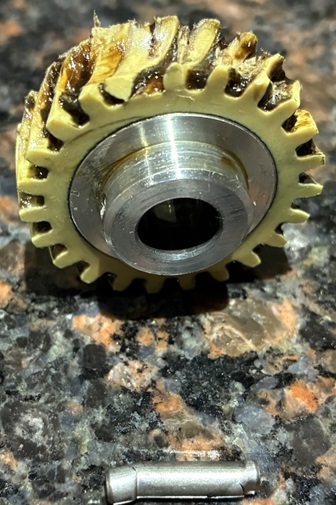
It took a few days to get spares (because of New Year). I was able to get the (genuine) cog and new grease from Amazon (affiliate links), but had to use another place (and expedited shipping) for the M4x17 dowel pin.
Putting it back together was pretty straightforward (with guidance from ‘Mr Mixer’), though all that grease makes for a messy job:
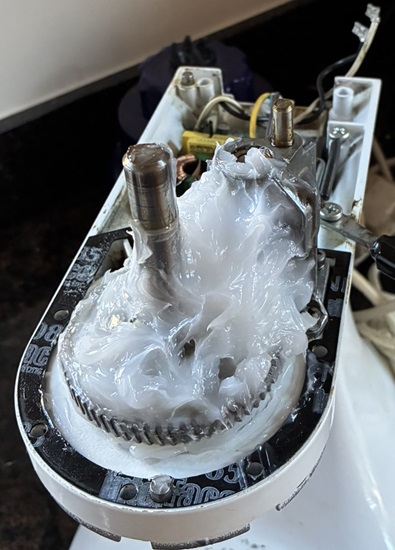
I wish I’d taken a before picture for comparison. The severed cog teeth were embedded in the revolting old grease. But it was so awful that I was told not to.
Having (unnecessarily) taken the motor control apart I needed to recalibrate that; but it’s been running smoothly since :)
Skiing
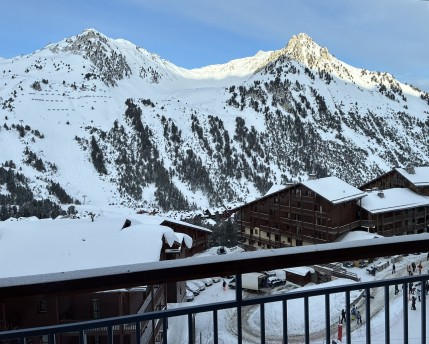
A week in Les Arcs was a lot of fun. Enough to deserve its own post.
Burns supper
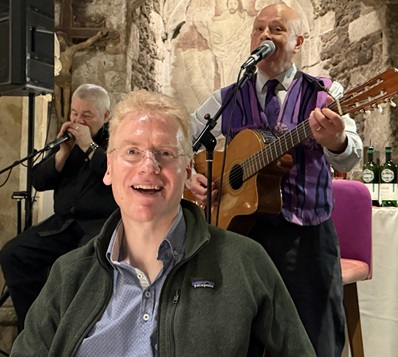
This was my third time at a Scotch Malt Whisky Society (SMWS) Burns Night, but things were a little different this time around. Firstly a new venue, at The Crypt of St Etheldreda’s, which is near the London tasting room. This provided a LOT more space than the basement of The Bleeding Heart, and I’m guessing they had twice as many folk attending. There was also live music and singing, which added to the fun, but did make conversation a little difficult as we had the table nearest to the stage.
I was very lucky to win a bottle in the raffle, a lovely 19yo Highland Park:
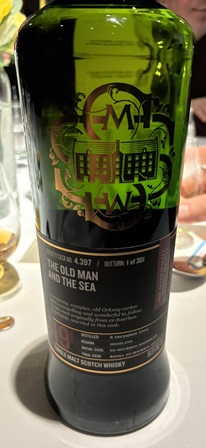
I’m looking forward to trying it, hopefully with some of the friends who joined me that evening; and especially after reading the review from Two Whisky Bros.
Solar Diary
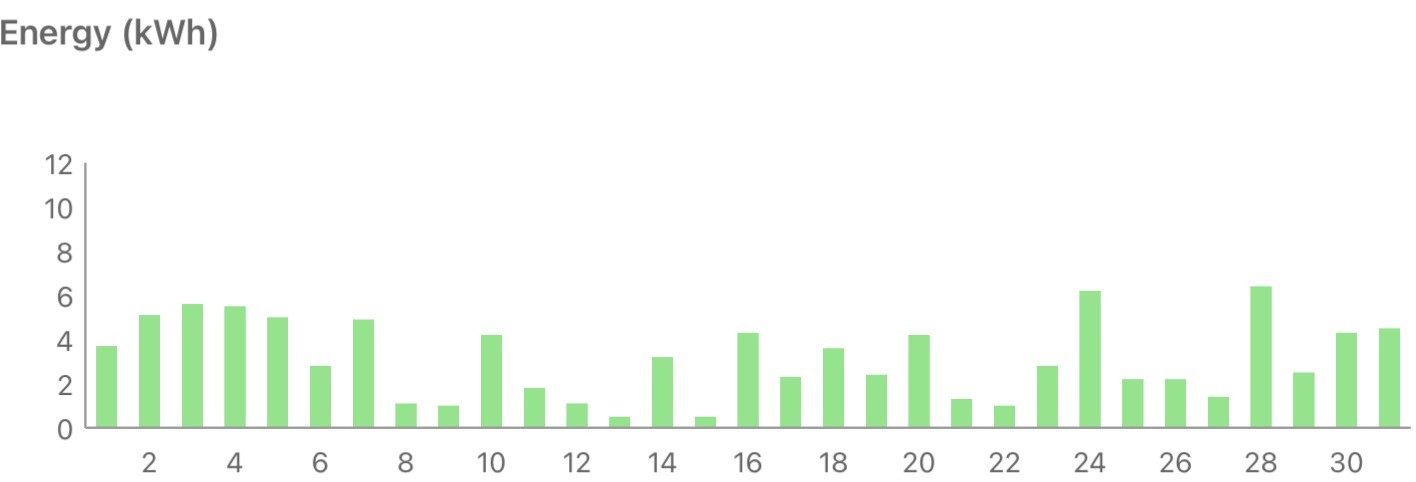
I described last January as ‘dim and grim’ and this one wasn’t much different :/
Filed under: monthly_update | Leave a Comment
Tags: Burns Night, dachshund, Kitchenaid, Miniature Dachshund, Mixer, pupdate, repair, skiing, solar, whisky
After previous trips to The Three Valleys and Espace Killy, Paradiski felt like a way to complete the set of long established multi location French ski areas.
Inghams again
Having organised the last few trips with Inghams, they were where I looked first, and in the end the provider I chose.
Getting there
Another flight to Chambery, though an earlier start than previous occasions. At least it’s only an hour from my alarm going off to Gatwick South.
Our departure was a little delayed due to fog at Chambery, but we made up time on the way, so arrival wasn’t too badly behind schedule. Of course we were then thrown into the usual chaos of Chambery arrivals, but I know what to expect now, and we weren’t in a hurry. We were soon on a (pretty full) coach to Les Arcs, and the transfer was about 2h15m as there were no traffic problems.
Self catering
I looked at a LOT of hotel options in Les Arcs and La Plagne, and nothing stood out. Maybe Le Savoire in Val d’Isere spoiled us. I’m pretty sure we’ll never find something so good again in terms of space and food.
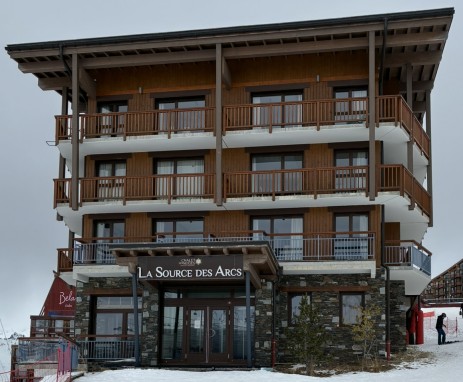
Residence La Source stood out as well reviewed, and offered us separate rooms at a reasonable price.
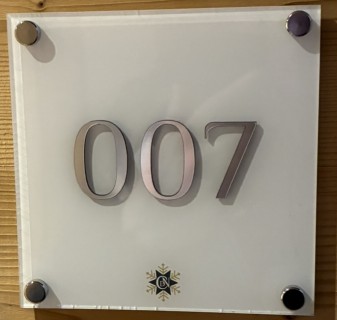
I was a little worried about the 5pm check-in given that we arrived early afternoon, but thankfully the room was ready.
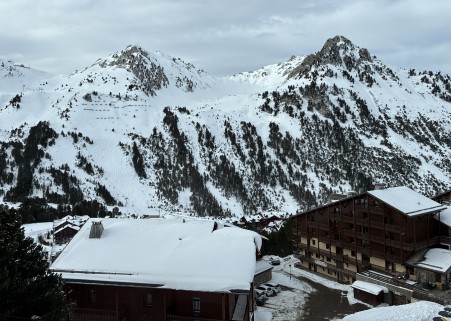
The apartments offer daily bread/bakery delivery, so that was breakfasts taken care of :)
Our ground floor room was right beside the ski room, which was ski in/out, so very convenient.
I didn’t plan on returning to the apartment during the day for lunch, but sometimes we were close by, and peckish, so it was super convenient.
Equipment
Our early arrival meant we could get skis and boots sorted in the afternoon, so no Sunday morning rush :)
Inghams provided vouchers for Intersport, which was a short walk from the apartment. They were friendly and efficient, though first glance at my skis bothered me that they were a little tired.
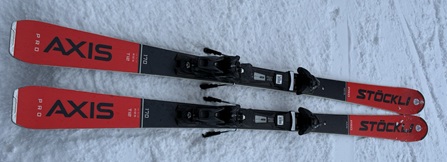
That first set of skis was OK, but the bases were a bit cut up (hardly surprising after 5-6 seasons); and I’m not convinced they were ever that good. After 2 days I made the call that they were OK, but not great, and returned to the shop for something else.
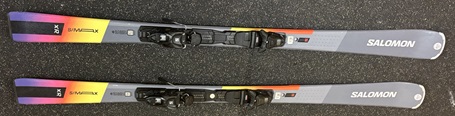
The chap in the shop told me that I was swapping a Lamborghini for an Audi, but if that’s the case it was a battered and temperamental Countach for a newer RS6. I was much happier on the replacement skis.
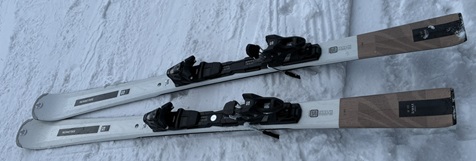
$daughter0 was given some Salomon skis that were described as ‘new’ but obviously not out for the first time. I think they meant new this season. She seemed to get on with them pretty well :)
Boots were Salomon, and utterly unremarkable.
The Skiing
With 425km of piste Paradiski is larger than Espace Killy, but smaller than The Three Valleys. It’s also considered to be less good for advanced skiers, meaning fewer black runs.
Getting over to the La Plagne side was easier than expected, taking about an hour. So it was practical to explore the whole area.
Sadly the weather and skiing conditions weren’t ideal. We had (some) snow most days, which meant that pistes weren’t being groomed; and for the latter half of our stay visibility was poor, with a lot of low cloud / freezing fog.
Best of the Blacks
‘Aiguille Rouge’ is an utterly fantastic run. It starts with an imposing steep section, and was a little lumpy in the following section, but after that it was a dream run of wide open piste that could be taken at speed. Worth the wait for the cable car, and it’s a shame conditions didn’t allow for more runs.
We stumbled on ‘Murs’ whilst trying the lower section of ‘Mont Blanc’ (as an alternative to Myrtilles mentioned below), and despite poor conditions it was enough fun to deserve a repeat.
Pick of the Reds
There’s a selection of Reds that run down into Les Arcs 1800, and there’s little to choose between them. They all offer decent sight lines, and the opportunity to wind on a little speed; though they all suffer from crossing blues, and the ‘slow down’ warnings that go along with that.
‘Secret’ was fun despite poor visibility and weather, so I’m expecting it’s an awesome run when conditions are good.
Beautiful Blues
‘Myrtilles’ looked lovely from the Pierres Blanches lift, and was a picturesque and entertaining run down to take the lift again.
The upper section of ‘Mont Blanc’ was nice and wide, making it easy to navigate any traffic.
The run home on ‘Edelweiss’ was often busy, but still fairly relaxing.
Food
We ate out most nights.
Papa Pizza became a regular haunt, with good choice on the menu, generous portions, friendly service, and a good beer selection.
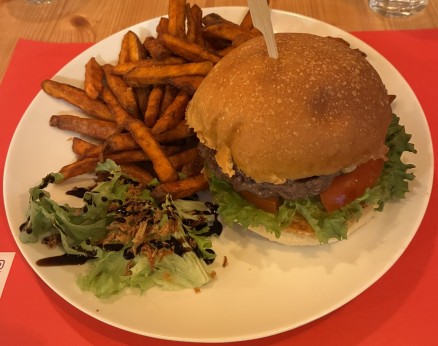
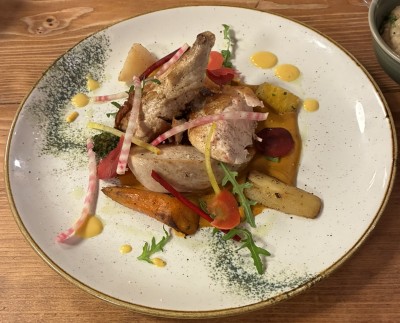
I’d taken a long look at the Taj-I Mah as a hotel option, so we treated ourselves to a dinner there, choosing the five course daily menu. It was interesting food, well presented, and an amazing cheese selection.
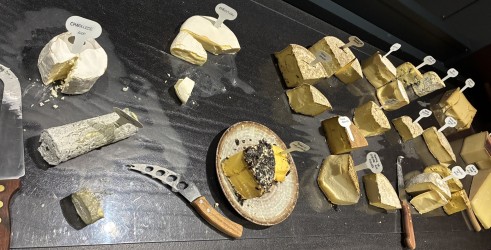
Our first visit to 2134 (for fondue) was so good we chose to return for our last night; and that meal was tremendous. Highly recommended (especially for those who like an extensive wine list).
Ski Tracks
I’ve been using Ski Tracks for a while now, but it let me down a few times on this trip. The whole of my first morning disappeared, with the watch app just vanishing. I also lost an afternoon (and my fastest run of the trip), even though I definitely stopped recording :( Data was reliably getting into Apple Fitness, but sometimes not into the app, which is a shame, and annoying.
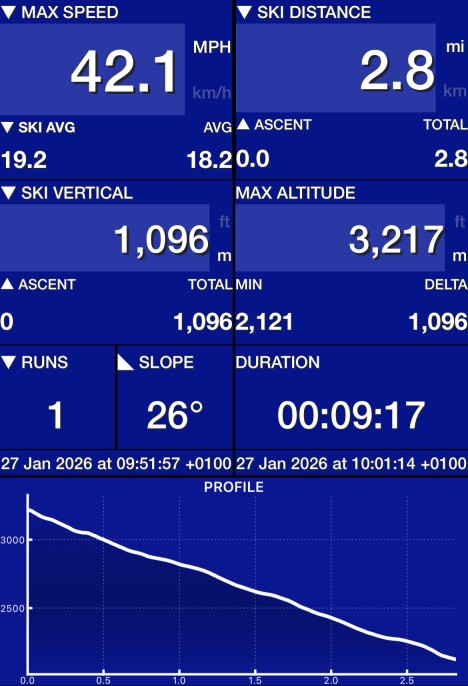
To compensate I found myself more frequently stopping and restarting recording, which helped a little.
Getting Home
Returning via Chamberry was (once more) a frustrating experience. A 5am start for a 5.40 bus only to then spend an extra 3h waiting around for the fog to clear and our flight to arrive. Perhaps the operators should adjust schedules around what actually works rather than mythical departure times?
Conclusion
Les Arcs was a lovely place to stay (and eat), and it was fun to explore over to La Plagne. We were a little unlucky with weather, and piste conditions, so the skiing wasn’t on top form; and even if it had been I’m not sure this is the best area for the type of skiing we enjoy (compared to The Three Valleys and Espace Kitty).
Filed under: travel | Leave a Comment
Tags: 2134, Aiguille Rouge, Chambery, food, Inghams, La Plagne, La Source Des Arcs, Les Arcs, Papa Pizza, Paradiski, Ski Tracks, skiing, skis, Taj-I Mar


 Chris Swan's Weblog